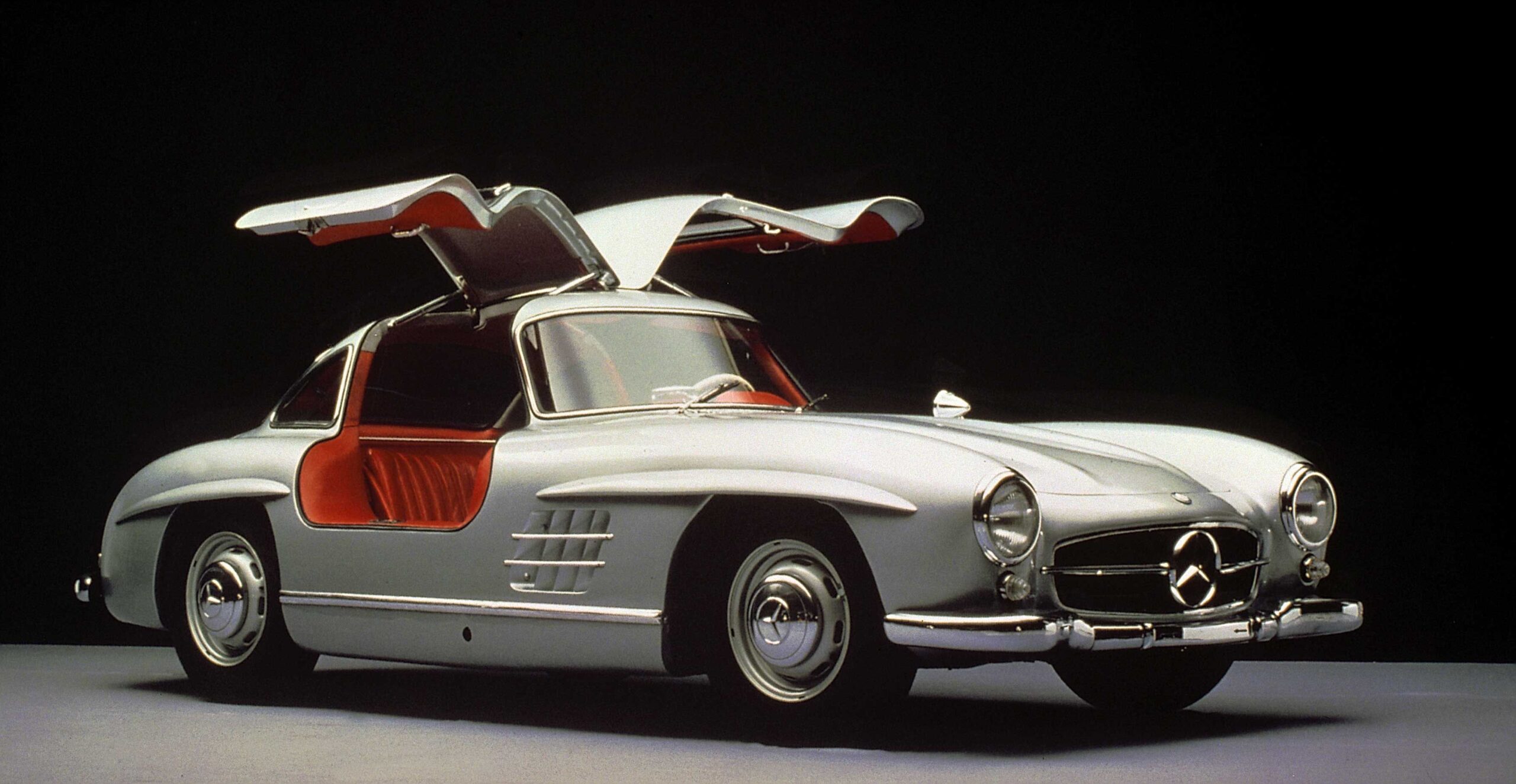
Investing in classic cars can be an exciting and potentially profitable venture. Here are some key considerations to keep in mind when investing in classic cars:
- Research and Knowledge: Gain a deep understanding of the classic car market by researching different makes, models, years, and their historical significance. Stay updated on trends, market values, and collector preferences. Attend car shows, auctions, and join online communities to connect with fellow enthusiasts and experts.
- Rarity and Historical Significance: Look for classic cars that are rare, limited in production, or have historical significance. These factors often contribute to increased value over time. Classic cars associated with famous individuals, movies, or racing events can also command higher prices.
- Condition and Authenticity: A classic car’s condition plays a vital role in determining its value. Originality and authenticity are highly valued, so look for cars with matching numbers, original parts, and documented history. Cars in excellent or restored condition generally have higher investment potential.
- Maintenance and Restoration Costs: Classic cars often require ongoing maintenance and occasional restoration work. Consider the costs involved in preserving or restoring a vehicle, including sourcing original parts, specialized mechanics, and storage. These expenses can impact your overall investment returns.
- Diversify Your Portfolio: To mitigate risks, consider diversifying your classic car portfolio. Invest in a range of makes, models, and eras to spread out your investments. Different cars may appreciate at varying rates, and diversification can help balance potential gains and losses.
- Storage and Preservation: Proper storage is crucial to maintain the condition and value of classic cars. Ensure you have a suitable storage facility that protects the vehicle from environmental factors, such as temperature fluctuations, humidity, and pests. Regular maintenance, including periodic start-ups and inspections, is also important.
- Future Demand and Market Trends: Anticipate future demand and consider market trends when investing in classic cars. Stay informed about changing preferences, emerging collector markets, and generational shifts in interest. For example, younger generations may develop preferences for cars from the 1980s and 1990s as they age and enter the collector market.
- Insurance and Appraisals: Classic cars should be adequately insured to protect your investment. Obtain specialized classic car insurance that covers the vehicle’s agreed-upon value. Regular appraisals can help track the appreciation of your vehicles and ensure you have accurate insurance coverage.
Remember that investing in classic cars requires careful consideration and research. It’s advisable to consult with experts, such as appraisers, collectors, and classic car dealers, to gain valuable insights before making any investment decisions.
Laisser un commentaire
Vous devez vous connecter pour publier un commentaire.